Introduction
The roof is one of the most important parts of any home. In the UK, roofs must handle heavy rain, strong winds, cold winters, and changing weather throughout the year. Choosing the right roofing material helps protect your property, improve energy efficiency, and reduce repair costs over time.
Many UK homeowners now invest in high-quality roofing because modern roofing materials last longer and offer better insulation. A strong roof can also increase property value and improve the appearance of a house.
This article explains the best roofing materials for UK homes in 2026, including their benefits, disadvantages, and why they are becoming more popular across Britain.
Why Roofing Materials Matter
Roofing materials affect how well a home performs in different weather conditions. A poor-quality roof can cause leaks, dampness, mould, and expensive repairs. Good roofing materials protect the property while helping homeowners save money on heating and maintenance.
The right roof can provide:
- Better insulation
- Lower energy bills
- Improved property value
- Strong weather protection
- Longer lifespan
- Better appearance
Because the UK climate can be unpredictable, homeowners should choose materials that are durable and reliable.
Slate Roofing
Slate roofing is one of the most popular roofing options in the UK. It has been used for hundreds of years and is known for its strength and classic appearance.
Benefits of Slate Roofing
Slate roofs can last more than 100 years when properly maintained. They are highly resistant to rain, wind, and fire.
Main advantages include:
- Extremely durable
- Long lifespan
- Natural appearance
- Low maintenance
- Weather resistant
Many traditional British homes use slate because it matches older architectural styles perfectly.
Disadvantages of Slate Roofing
Slate is more expensive than many other roofing materials. It is also very heavy, which means some homes may need additional structural support.
Installation requires experienced roofing contractors because slate tiles can break if handled incorrectly.
Despite the higher cost, many homeowners see slate as a long-term investment because of its durability.
Clay Roof Tiles
Clay roof tiles are another traditional roofing option commonly used across the UK. They are especially popular in southern England and older residential properties.
Advantages of Clay Tiles
Clay tiles are known for their attractive appearance and excellent lifespan.
Benefits include:
- Classic design
- Strong weather resistance
- Good insulation
- Long lifespan
- Eco-friendly material
Clay roofs can often last between 50 and 100 years when properly maintained.
They also keep their colour well over time, helping homes maintain an attractive appearance for decades.
Drawbacks of Clay Tiles
Clay tiles are heavier than some roofing materials and can be more expensive to install.
They may crack if walked on incorrectly during maintenance work.
However, many homeowners choose clay because of its timeless appearance and strong durability.
Concrete Roof Tiles
Concrete roof tiles are one of the most affordable roofing options in the UK. They are widely used in modern housing developments because they are cost-effective and reliable.
Benefits of Concrete Tiles
Concrete tiles offer good performance at a lower price compared to slate or clay.
Advantages include:
- Affordable pricing
- Good durability
- Wide range of colours
- Strong weather protection
- Easy availability
Modern concrete tiles can also imitate the appearance of slate or clay roofing.
This allows homeowners to achieve a premium look at a lower cost.
Disadvantages of Concrete Tiles
Concrete tiles are heavier than metal roofing and may fade slightly over time due to weather exposure.
They also usually have a shorter lifespan compared to natural slate.
Even so, concrete remains one of the most practical roofing materials for many UK homeowners.
Metal Roofing
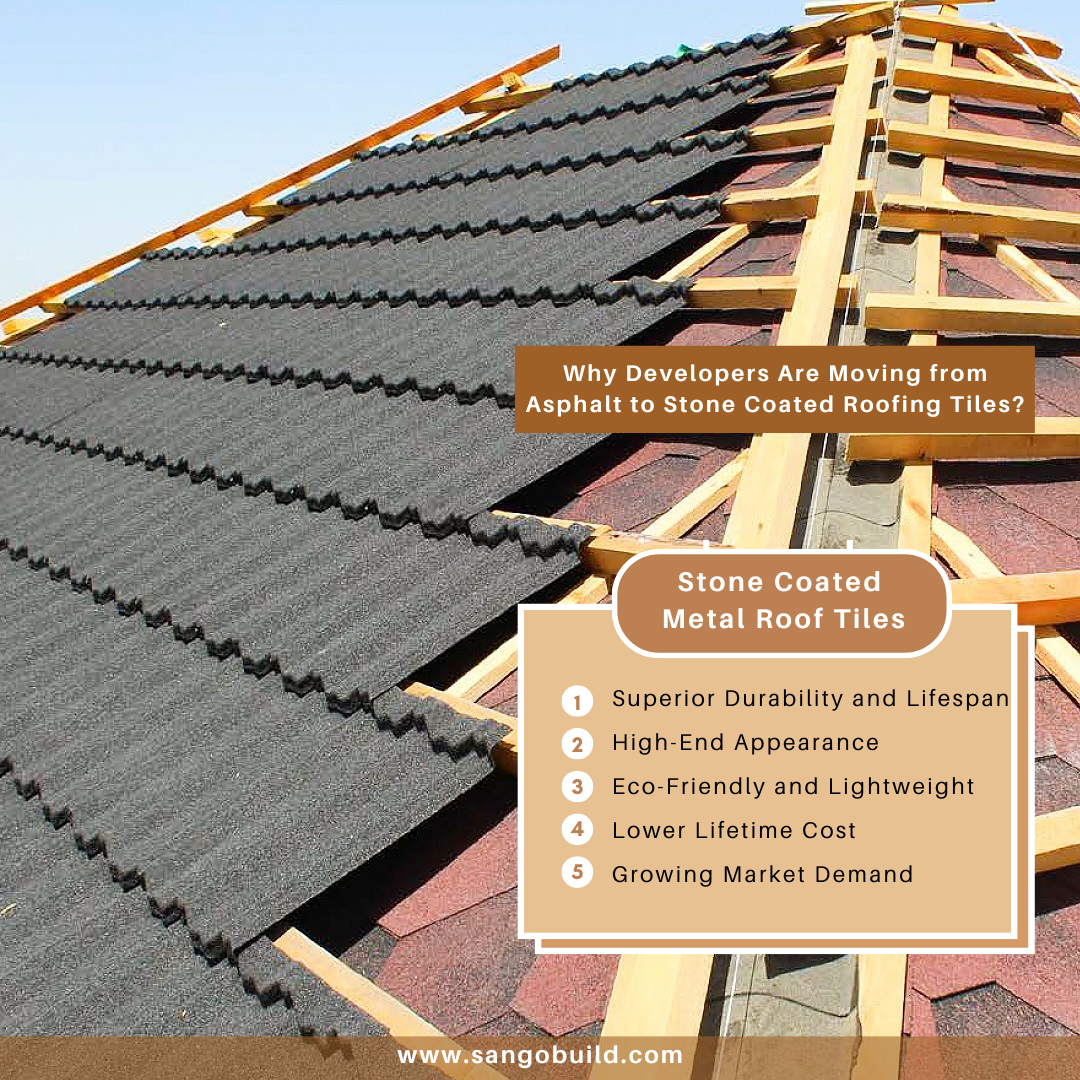
Metal roofing is becoming more popular in the UK because of its modern appearance and long lifespan.
Many homeowners now choose metal roofs for contemporary homes and commercial buildings.
Benefits of Metal Roofing
Metal roofs are lightweight, durable, and energy efficient.
Key advantages include:
- Long lifespan
- Modern appearance
- Lightweight structure
- Fire resistance
- Recyclable material
Metal roofing can also reflect sunlight, helping reduce heat buildup during warmer months.
Some systems can last between 40 and 70 years with proper maintenance.
Disadvantages of Metal Roofing
Metal roofs can be more expensive initially compared to concrete tiles.
Heavy rain may also create more noise unless proper insulation is installed underneath.
However, many homeowners appreciate the low maintenance requirements and modern style.
Asphalt Shingles
Although asphalt shingles are more common in North America, they are slowly becoming more popular in parts of the UK because of their affordability.
Benefits of Asphalt Shingles
Asphalt shingles are lightweight and easy to install.
Advantages include:
- Lower installation costs
- Wide range of colours
- Easy repairs
- Lightweight design
They are often used on garages, extensions, and smaller residential projects.
Disadvantages of Asphalt Shingles
Asphalt shingles generally have a shorter lifespan compared to slate or tile roofs.
They may also be less resistant to strong winds and heavy weather conditions.
Because of the UK climate, asphalt shingles are not always the best long-term option for every property.
Flat Roofing Systems
Flat roofs are commonly used on extensions, garages, and modern homes.
Modern flat roofing systems have improved significantly in recent years.
Popular Flat Roofing Materials
Common flat roofing options include:
- EPDM rubber roofing
- Fibreglass roofing
- Felt roofing
- PVC roofing
Benefits of Flat Roofs
Flat roofs offer:
- Modern appearance
- Lower installation costs
- Easy maintenance access
- Space for solar panels
They are especially popular for modern property designs.
Disadvantages of Flat Roofs
Flat roofs may require more regular maintenance because water drainage can sometimes become an issue.
Professional installation is extremely important to prevent leaks and water damage.
Energy Efficiency and Roofing
Energy efficiency is now a major priority for UK homeowners.
Good roofing materials help reduce heat loss during winter while improving indoor comfort.
Insulated roofing systems can lower energy bills by reducing the amount of heating required throughout the year.
Many homeowners also combine roofing upgrades with:
- Solar panels
- Loft insulation
- Ventilation improvements
Energy-efficient roofs are becoming increasingly important because of rising utility costs across the UK.
Roofing Maintenance Tips
Even the best roofing materials require regular maintenance.
Homeowners should inspect roofs regularly for:
- Broken tiles
- Moss growth
- Water damage
- Blocked gutters
- Loose flashing
Professional roof inspections help identify small issues before they become expensive problems.
Simple maintenance can greatly extend roof lifespan and improve long-term performance.
Choosing the Right Roofing Material
The best roofing material depends on several factors including:
- Budget
- Property style
- Climate conditions
- Maintenance requirements
- Lifespan expectations
Homeowners should also consider local planning regulations and neighbourhood aesthetics.
Speaking with experienced roofing professionals can help homeowners choose the most suitable option for their property.
Final Thoughts
Choosing the right roofing material is a smart long-term investment for any UK homeowner.
Whether selecting slate, clay, concrete, metal, or flat roofing systems, quality materials provide stronger protection, better insulation, and improved property value.
Modern roofing technology continues to improve, giving homeowners more options than ever before.
By investing in durable roofing materials and regular maintenance, UK homeowners can protect their properties and enjoy long-lasting performance for many years.